
Абстрактный
Дебаты по поводу соевого соуса с низким содержанием натрия по сравнению с обычным соевым соусом представляют собой сложную проблему для потребителей, балансирующих между заботой о здоровье, кулинарной аутентичностью и экономической ценностью.. Изучение производственных процессов показывает, что создание соевого соуса с низким содержанием натрия часто включает в себя дополнительные этапы., такие как постферментационный диализ или измененная ферментация с более низкими концентрациями соли., что может поставить под угрозу окончательный вкусовой профиль и увеличить производственные затраты.. Соль — это не просто источник солености в традиционном пивоварении.; это неотъемлемая часть контроля микробной активности и разработки богатых умами и ароматических соединений, которые определяют высококачественный соевый соус.. Следовательно, версиям с пониженным содержанием натрия может не хватать глубины и сложности их традиционных аналогов.. Хотя это, несомненно, необходимо для людей, соблюдающих диету с медицинскими ограничениями., для обычного потребителя, незначительное снижение общего ежедневного потребления натрия при использовании этой единственной приправы может не оправдать более высокую цену и потенциальную жертву во вкусе.. Более эффективная стратегия для многих могла бы включать осознанное, умеренное использование ароматизированного, Традиционно варили соевого соуса. Вопрос, поэтому, это не простой выбор, а тонкое решение, основанное на индивидуальном состоянии здоровья., кулинарные приоритеты, и понимание самого продукта.
Ключевые выводы
- Производство соевого соуса с низким содержанием натрия изменяет вкус за счет уменьшения количества соединений, богатых умами..
- Более высокая стоимость версий с низким содержанием натрия отражает более сложные производственные процессы..
- Фактическое количество натрия, сэкономленное на порцию, часто минимально в типичной западной диете..
- Покупая соевый соус с низким содержанием натрия, вы выбрасываете деньги на ветер? Для многих, да.
- Контроль размера порции обычного соевого соуса обеспечивает лучший вкус и ценность..
- Медицинские потребности в ограничении натрия являются основной причиной выбора продуктов с низким содержанием натрия..
- Разбавление обычного соевого соуса — экономичная альтернатива покупке специальной бутылки..
Оглавление
- Правда #1: Профиль вкуса фундаментально изменился, Не просто отключен звук
- Правда #2: Вы платите больше за менее оригинальный продукт
- Правда #3: Здоровье “Преимущества” Может быть вводящим в заблуждение или маргинальным
- Правда #4: Кулинарный контроль предлагает превосходную альтернативу
- Правда #5: Решение полностью зависит от ваших требований к здоровью
- Часто задаваемые вопросы (Часто задаваемые вопросы)
- Заключение
- Ссылки
Правда #1: Профиль вкуса фундаментально изменился, Не просто отключен звук
Когда ты тянешься за бутылкой соевого соуса, вы ищете особый чувственный опыт. Это поиск умами, так глубоко, пикантный, и приятный вкус, который дополняет блюдо, придавая ему тело и ощущение завершенности. Распространено мнение, что соевый соус с низким содержанием натрия просто обеспечивает менее соленую версию этого опыта.. Представьте, что вы уменьшаете громкость музыкального произведения.. Мелодия та же самая, просто тише. Это восприятие, однако, не соответствует биохимической реальности производства соевого соуса. Снижение натрия – это не просто регулировка объема.; это больше похоже на удаление ключевого инструмента из оркестра, что кардинально меняет гармонию и фактуру итоговой композиции.
Наука о соли в ферментации и восприятии вкуса
Чтобы понять, почему это, прежде всего мы должны оценить глубокую роль соли в традиционном приготовлении соевого соуса.. Это не просто приправа, добавляемая в конце.. Соль, или хлорид натрия, является функциональной опорой всего процесса ферментации. С момента смешивания соевых бобов и пшеницы с культурой Aspergillus oryzae. (который), соль вводится в виде рассола для приготовления пюре мороми..
Этот рассол выполняет несколько важных функций.. Первый, это мощный селективный агент. Высокая соленость мороми создает среду, в которой обитают полезные микроорганизмы., как солеустойчивые дрожжи (Зигосахаромицеты руксии) и молочнокислые бактерии (Тетрагенококк галофилус), может процветать. Одновременно, подавляет рост нежелательных или патогенных бактерий, которые могут испортить затор или выработать вредные токсины (Лин и др., 2021). Без достаточной концентрации соли, процесс ферментации становится микробной авантюрой, с высоким риском неудачи или развития неприятных запахов. Думайте об этом как о привратнике, допускать на вечеринку только приглашенных гостей.
Второй, соль напрямую влияет на ферментативную активность, создающую вкус.. Ферменты, вырабатываемые плесенью коджи, расщепляют белки соевых бобов на аминокислоты, а крахмалы пшеницы на простые сахара.. Концентрация соли модулирует скорость этого ферментативного распада.. Это замедляет процесс, позволяющий долгое время, медленная ферментация, которая развивает сложный и тонкий набор вкусовых и ароматических соединений.. Одной из наиболее важных производимых аминокислот является глутаминовая кислота., основной источник умами в соевом соусе. Тщательно контролируемый, богатая солью окружающая среда необходима для максимального развития.
Окончательно, соль сама по себе является усилителем вкуса. Это больше, чем просто вкус “соленый.” Он воздействует на наши вкусовые рецепторы, подавляя горечь и усиливая другие желаемые вкусы., включая сладость и, особенно, Умами. Когда пробуешь хорошо приготовленный соевый соус, соленость не острая, одномерная заметка; это широкий, основополагающий вкус, который поднимает и несет в себе более сложные, пикантные нотки ферментированных бобов.
Как производство с низким содержанием натрия меняет химический состав
Учитывая важную роль соли, Производство соевого соуса с низким содержанием натрия требует значительного отхода от традиционных методов.. Обычно существует два подхода, каждый со своим набором компромиссов.
Первый, и более распространенное, метод включает в себя производство соевого соуса с полным содержанием соли и последующее удаление части соли после завершения ферментации.. Обычно это делается с помощью такого процесса, как диализ или обратный осмос., где соевый соус пропускают через полупроницаемую мембрану, которая пропускает более мелкие ионы соли, сохраняя при этом более крупные молекулы вкуса.. Хотя в теории это звучит эффективно, процесс не является совершенно избирательным. Некоторые из более мелких, желаемые вкусовые и ароматические соединения могут быть потеряны вместе с солью., в результате чего продукт имеет разбавленный вкус или “тонкий.” Насыщенный вкус и продолжительное послевкусие традиционного соевого соуса часто теряются..
Второй метод предполагает попытку ферментации сусла с более низкой начальной концентрацией соли.. Как обсуждалось, это опасный путь. Это резко увеличивает риск заражения микробами порчи. (Ангелист, 2023). Чтобы компенсировать, производители могут использовать более короткое время ферментации или использовать другие консерванты., что может предотвратить развитие глубоких, зрелые вкусы. Согласно отчету о низкосолевом брожении, Для снижения содержания соли в исходном заторе для получения соевого соуса с содержанием соли менее 9 г/100 мл необходимо сократить количество основы соевого соуса почти вдвое., который “obviously weaker” flavor and a lighter aroma (Ангелист, 2023). The resulting product may be technically soy sauce, but it lacks the soul and complexity forged through a long, slow, salt-guided fermentation. It is a shortcut that bypasses the very processes that create excellence.
A Blind Taste Test: What Do Palates Actually Prefer?
Imagine two bowls of a simple beef stir-fry before you. They look identical. One was seasoned with a high-quality, Традиционно варили соевого соуса. The other was seasoned with its low-sodium counterpart, with the total sodium level in the dish equalized by adding fine salt to the second bowl. What would you taste?
In the first bowl, you would likely experience a rounded, deep savoriness. The flavor of the soy sauce would feel integrated with the beef and vegetables, enhancing their natural tastes without overwhelming them. The umami would be pronounced, creating a satisfying, ощущение наполнения рта.
In the second bowl, the experience would probably be different. You would taste the saltiness, but it might feel more like a surface-level seasoning. The underlying savory notes of the soy sauce itself would be less potent, perhaps even tasting slightly watery or hollow in the middle. The complex, almost meaty depth would be missing. This is the core of the issue: when you remove salt from the fermentation process, you are not just removing sodium chloride; you are removing the catalyst for a cascade of flavor-generating reactions. You are left with a shadow of the original. Так, is buying low sodium soy sauce throwing your money away from a flavor perspective? For the discerning palate, the answer often leans toward a resounding yes.
Правда #2: Вы платите больше за менее оригинальный продукт
In the modern marketplace, consumers often equate a higher price with higher quality or a more specialized, beneficial product. We see this with organic produce, artisanal cheeses, and craft beers. It is a logical assumption to apply this thinking to soy sauce. The bottle of low-sodium soy sauce on the shelf is almost always more expensive than its regular counterpart from the same brand. The intuitive conclusion is that you are paying a premium for a healthier, more refined product. An investigation into the economics and production methods, однако, reveals a different story. You are paying for additional processing and the compromises required to create a less traditional, and arguably less authentic, condiment.
Comparing the Costs: A Gram-for-Gram Analysis
A simple walk down the international foods aisle of any supermarket in 2025 will confirm this price disparity. Let’s construct a representative comparison to illustrate the point. The prices below are illustrative averages and will vary by location and brand, but the relationship between them is consistent.
Стол 1: Illustrative Cost Comparison of Soy Sauce Varieties
| Тип соевого соуса | Typical Bottle Size (mL) | Average Price (USD) | Price per 100 mL |
|---|---|---|---|
| Regular Brewed Soy Sauce | 296 | $3.50 | $1.18 |
| Low-Sodium Soy Sauce | 296 | $4.50 | $1.52 |
| Тамари (Often Gluten-Free) | 296 | $4.75 | $1.60 |
| Premium/Artisanal Soy Sauce | 250 | $9.00 | $3.60 |
As the table demonstrates, the low-sodium version carries a significant markup—in this example, nearly 30% more than the regular version. You are receiving the same volume of liquid, but a portion of its core functional ingredient has been removed, and the price has increased. This economic reality prompts the question: what exactly are you paying for with that extra dollar? The answer lies not in a superior raw ingredient but in the costly, and flavor-altering, manufacturing interventions required to reduce the sodium content.
The Manufacturing Process of Low-Sodium Soy Sauce
The premium price of low-sodium soy sauce is a direct reflection of the added complexity and expense in its production chain. As we explored earlier, traditional soy sauce brewing is a model of elegant efficiency, relying on soybeans, пшеница, соль, and time. Creating a low-sodium version disrupts this elegance and introduces costly industrial processes.
Consider the salt removal method. After the soy sauce has been fully fermented and aged, it must be subjected to a procedure like dialysis. This requires specialized equipment, consumes significant energy, and generates a waste stream (the removed brine) that must be managed. The equipment itself represents a substantial capital investment for the manufacturer, and its operation and maintenance add to the recurring costs of production. These costs are, quite naturally, passed on to the consumer in the form of a higher retail price.
Альтернативно, if a manufacturer opts for the low-salt fermentation route, they face a different set of costs. The risk of batch spoilage is much higher, meaning potential losses of raw materials and production time (Лин и др., 2021). To mitigate this, they may need to invest in more sophisticated monitoring equipment, stricter sterile environments, or use specific additives to control microbial growth. These measures add layers of complexity and expense that are not present in the time-honored, salt-preserved method. You are not paying for better soybeans or a longer aging process; you are paying for the technological fix required to work around the absence of salt.
The “Authenticity” Debate: Traditional Brewing vs. Modern Modification
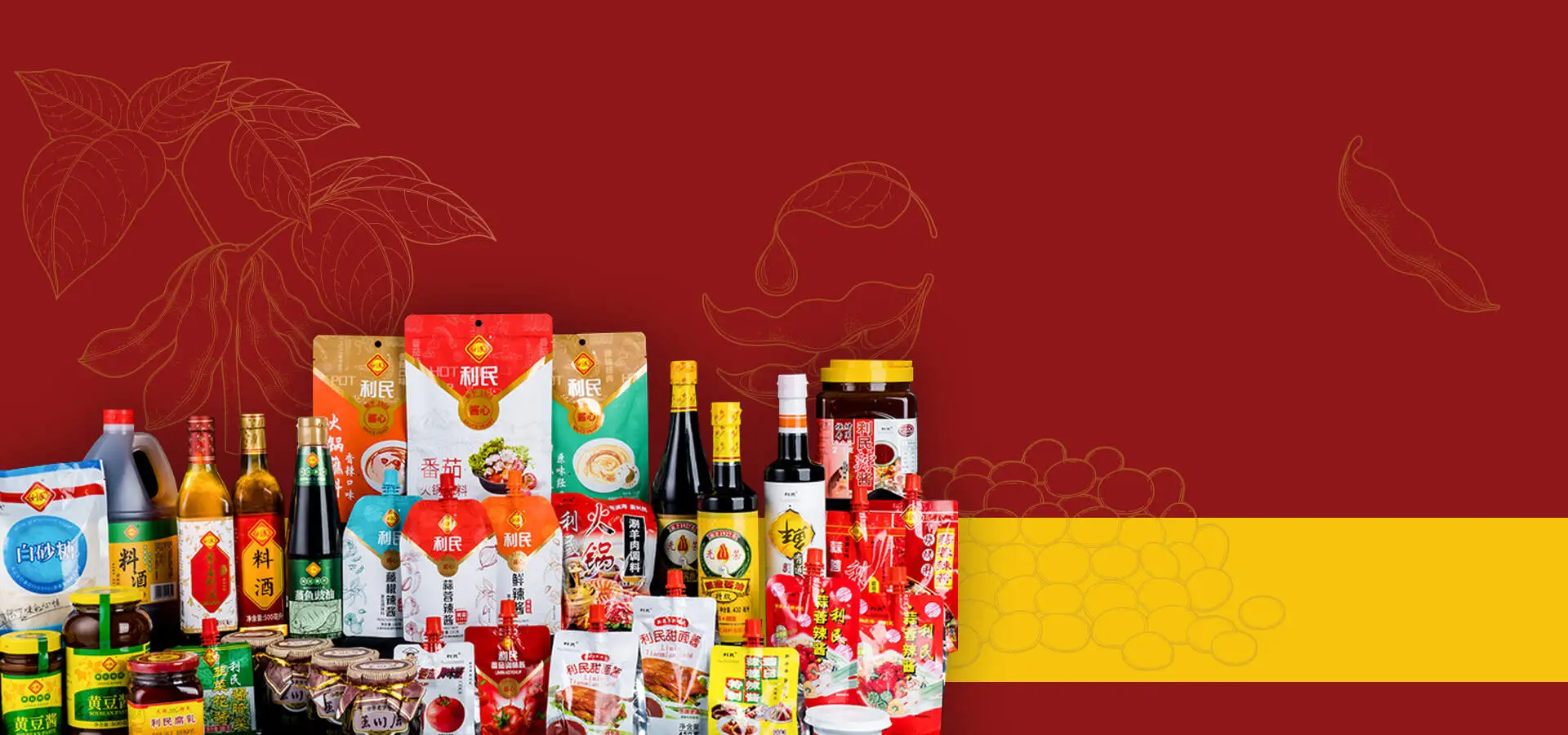
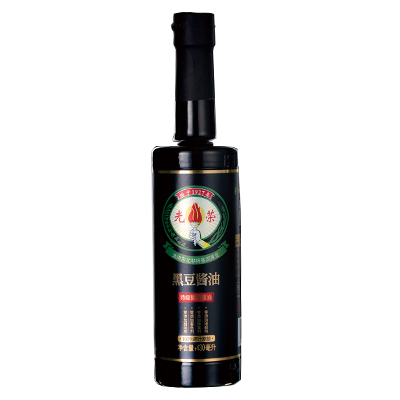
This brings us to a more philosophical, yet culinarily significant, point about authenticity. A traditionally brewed soy sauce, like those from producers with a long heritage, is a product of its ingredients and process. It tastes the way it does because of the symbiotic relationship between the koji, the raw materials, and the salt brine, developed over months or even years. It is an expression of a specific culinary tradition. highlights that their process uses high-quality non-genetically modified soybeans and a solid-liquid fermentation process to produce a sauce with a “natural and mellow taste.” This speaks to a commitment to the integrity of the traditional method.
Low-sodium soy sauce, напротив, is a modification. It is a product engineered to meet a modern dietary demand. While the intention is positive, it fundamentally alters the nature of the product. It is analogous to non-alcoholic wine or decaffeinated coffee. While these products serve a purpose, few would argue they represent the authentic, full-sensory experience of their original forms. The complex bouquet of a fine wine or the rich aroma of a freshly brewed espresso is inevitably diminished when a key component is removed.
When you purchase a bottle of traditionally brewed soy sauce, you are buying a condiment perfected over centuries. When you purchase its low-sodium variant, you are buying a modern adaptation. The higher price tag is not for a more authentic or higher-quality product, but for the industrial effort needed to create this adaptation. For those who do not have a medical necessity for it, the question “is buying low sodium soy sauce throwing your money away?” becomes a serious consideration of value versus authenticity.
Правда #3: Здоровье “Преимущества” Может быть вводящим в заблуждение или маргинальным
The primary, and often sole, motivation for choosing low-sodium soy sauce is health. The label promises a reduction in a nutrient that public health campaigns have long warned against in excessive amounts. For the health-conscious consumer, making this switch feels like an easy and responsible choice. Однако, a closer examination of the numbers, the context of the average diet, and the potential for unintended trade-offs reveals that the perceived health benefits may be less significant than they appear. For many individuals, столь пристальное внимание к натрию в соевом соусе может быть формой туннельного видения в области питания..
Деконструкция натрия: Сколько вы действительно экономите?
Чтобы правильно оценить выгоду, мы должны посмотреть на реальные цифры. Условия “обычный” и “с низким содержанием натрия” может быть расплывчатым, Итак, давайте оценим разницу. В следующей таблице представлено типичное сравнение, основанное на стандартном размере порции в одну столовую ложку. (примерно 15 mL).
Стол 2: Содержание натрия в сортах соевого соуса (за 1 столовая ложка)
| Тип соевого соуса | Типичное содержание натрия (мг) | % дневной ценности (ДВ)* |
|---|---|---|
| Обычный соевый соус | 900 – 1050 мг | 39% – 46% |
| Low-Sodium Soy Sauce | 550 – 600 мг | 24% – 26% |
| Тамари (Обычный) | ~940 мг | ~41% |
| Тамари (с низким содержанием натрия) | ~700 мг | ~30% |
*На основе США. Рекомендуемая дневная норма Управления по санитарному надзору за качеством пищевых продуктов и медикаментов 2,300 мг натрия.
На первый взгляд, экономия кажется существенной. Сокращение 350-450 мг натрия на столовую ложку немаловажно. Однако, критический вопрос заключается в контексте и общем потреблении пищи.. If you are preparing a stir-fry for four people and use two tablespoons of soy sauce in total, each person consumes half a tablespoon. The saving per person by using the low-sodium version would be approximately 175-225 мг натрия.
Is this a meaningful reduction? It can be, but it depends entirely on what the rest of your diet looks like. The average American consumes over 3,400 mg of sodium per day, well above the recommended 2,300 мг. The vast majority of this sodium—over 70%—comes not from the salt shaker or condiments added during cooking, but from packaged, processed, and restaurant foods. Things like bread, cured meats, canned soups, pizza, and savory snacks are the primary culprits.
The Role of Soy Sauce in Overall Sodium Intake
Let’s consider a hypothetical day of eating for a person in the USA or Europe. Breakfast might be a bowl of cereal or a piece of toast, lunch a pre-packaged sandwich, and dinner a frozen pizza or pasta with jarred sauce. In this dietary pattern, а 200 mg of sodium you might save by switching your soy sauce is a drop in the bucket. The sandwich and pizza alone could contribute over 2,000 мг натрия.
В этом контексте, obsessing over the sodium in your soy sauce while ignoring the bread on your sandwich is like meticulously fixing a dripping faucet while a pipe has burst in the basement. The effort is well-intentioned but misdirected. A more impactful approach to sodium reduction would involve focusing on the largest contributors first: reducing consumption of ultra-processed foods, cooking more meals from scratch, and reading labels on all packaged goods. While soy sauce does contain beneficial compounds, its high sodium content is a known concern; однако, strategies exist to mitigate this, making it a potentially valuable part of a diet (Consensus.app, 2015).
Are There Unintended Consequences?
Более того, to compensate for the lack of saltiness in low-sodium products, some manufacturers turn to salt substitutes. The most common of these is potassium chloride. For most healthy individuals, this is not a problem and can even be beneficial, as potassium helps counteract some of the effects of sodium on blood pressure.
Однако, for a significant portion of the population, increased potassium intake can be dangerous. People with chronic kidney disease (CKD), heart failure, or those taking certain medications like ACE inhibitors or angiotensin II receptor blockers (ARBs) have a reduced ability to excrete potassium. For them, consuming foods fortified with potassium chloride can lead to hyperkalemia (abnormally high potassium levels in the blood), a serious condition that can cause heart palpitations, muscle weakness, and even cardiac arrest.
Because potassium chloride is not always prominently labeled as a “salt substitute,” consumers with these conditions might unknowingly choose a product that poses a greater risk to them than the regular, high-sodium version. This is a crucial detail that is often overlooked in the simple “low sodium is better” narrative. The choice is not always straightforward, and what is beneficial for one person may be harmful to another.
The question persists: is buying low sodium soy sauce throwing your money away from a health perspective? If you are not under medical orders to do so and your diet is high in processed foods, the answer may be yes. Your health resources—both attentional and financial—might be better spent on more impactful dietary changes.
Правда #4: Кулинарный контроль предлагает превосходную альтернативу
For the cook who prioritizes flavor, precision, and value, the debate between regular and low-sodium soy sauce often resolves in favor of a third option: culinary control. This approach rejects the premise that one must choose between a flavorful but high-sodium product and a less flavorful but lower-sodium one. Вместо, it empowers the cook to achieve both flavor and health goals through intelligent technique. It is a philosophy of using the best possible ingredients, but using them wisely. This method not only produces better-tasting food but also fosters a deeper understanding of how flavors are built in a dish.
The Chef’s Approach: Using Full-Flavor Ingredients Sparingly
Walk into a professional kitchen, and you are less likely to find a giant jug of low-sodium soy sauce than you are to see a chef using a small amount of a potent, высокое качество, full-flavored soy sauce. Why? Because a chef understands that soy sauce is not just salt water; it is a powerful flavor concentrate. A traditionally brewed, well-aged soy sauce delivers an immense payload of umami, аромат, and complexity. A little bit goes a long way.
The professional approach is to use just enough of this potent ingredient to establish that deep, savory base note—what Chinese chefs might call the xiān wèi (鲜味). In many recipes, soy sauce is used to “set the saltiness,” but it is often not the sole source of salt; it is part of a team (Ченг, 2024). Once that foundational flavor is in place, the overall salinity of the dish can be adjusted with pure salt, which provides a clean, sharp saltiness without adding more of the dark, fermented flavor of the soy sauce.
This technique offers supreme control. It allows you to decouple the umami function of soy sauce from its salting function. You can add more umami without making the dish excessively salty, or add more saltiness without making the dish taste too much like soy sauce. By contrast, using a weaker, low-sodium soy sauce often requires you to use more of it to achieve the same flavor impact, which can make the dish taste watery or one-dimensional, defeating the purpose of reducing sodium in the first place.
Dilution Done Right: Creating Your Own “с низким содержанием натрия” Version
If you are still concerned about the sodium content but want the flavor of a traditional brew, there is a simple and incredibly cost-effective solution: make your own “с низким содержанием натрия” я ива. This is not a complex chemical process; it is simple dilution.
Take your bottle of regular, full-flavored soy sauce. In a separate, smaller container, mix it with an equal part of water, unsalted chicken or vegetable broth, or even a splash of mirin (Японское сладкое рисовое вино) if the dish calls for a hint of sweetness. You have just instantly cut the sodium concentration by 50%, creating a product with even less sodium than most commercially available “с низким содержанием натрия” versions, and you did it for a fraction of the cost.
This DIY approach has several advantages. Первый, it is economical. Вы покупаете одну бутылку качественного обычного соевого соуса и продлеваете ему срок службы и полезность.. Второй, это настраиваемый. Вы можете настроить коэффициент разбавления в соответствии с вашими предпочтениями или потребностями конкретного рецепта.. А 1:1 разбавление может быть идеальным для маринада, в то время как 2:1 Соотношение соевого соуса и воды может быть лучше для соуса для макания. Вы полностью контролируете ситуацию. Такое размышление о проблеме меняет первоначальный запрос.. Вместо того, чтобы спрашивать “is buying low sodium soy sauce throwing your money away?”, ты можешь спросить, “Как мне добиться желаемого вкуса при необходимом мне уровне натрия??” Ответ часто можно найти на собственной кухне., не на полке супермаркета.
Изучение разнообразного ассортимента соевых соусов: Помимо натрия
Ориентироваться исключительно на содержание натрия в соевом соусе — это все равно, что судить обо всем вине только по процентному содержанию алкоголя.. It misses the vast and fascinating world of variety and flavor that exists. The term “я ива” is a broad category that encompasses a wonderful spectrum of products, each with its own purpose. There are light soy sauces (легкий соевый соус, shēng chōu), which are saltier and used for seasoning. There are dark soy sauces (Старый соевый соус, lǎo chōu), which are aged longer with molasses, making them thicker, темный, И слаще, used primarily for adding color and a subtle sweetness to dishes. There are also mushroom-infused soy sauces, тамари (which is typically made with little to no wheat and offers a different, often cleaner flavor profile), and many other regional variations (Lu, 2024).
By moving beyond the binary choice of “regular vs. с низким содержанием натрия,” you open your pantry to this diverse range of soy sauces. You can learn to use a touch of dark soy sauce for color in a braise, a splash of light soy sauce for seasoning in a stir-fry, and a high-quality tamari for a gluten-free dipping sauce. This culinary exploration provides a much richer and more rewarding experience than simply defaulting to a less flavorful, health-marketed alternative. It is the path of a true food enthusiast, one who values flavor, техника, и подлинность.
Правда #5: Решение полностью зависит от ваших требований к здоровью
Thus far, our examination has largely concluded that for the average consumer focused on flavor and value, low-sodium soy sauce presents a questionable proposition. We have seen how it can fall short in taste, cost more, and offer marginal health benefits in the context of a typical diet. Однако, it would be a profound mistake to dismiss it entirely. There is a specific and critically important context in which the choice to buy low-sodium soy sauce is not only valid but necessary. That context is one of medical imperative. For individuals managing certain health conditions, sodium reduction is not a lifestyle choice; it is a matter of daily health management.
When Low-Sodium is Non-Negotiable: Medical Recommendations
For millions of people worldwide, a doctor’s recommendation to follow a low-sodium diet is a reality. Conditions such as hypertension (high blood pressure), congestive heart failure (CHF), chronic kidney disease (CKD), and liver disease (cirrhosis) all profoundly affect the body’s ability to regulate fluid and sodium balance.
In a person with hypertension, excess sodium intake can lead to water retention, increasing blood volume and forcing the heart to work harder to pump blood, thereby elevating blood pressure. For someone with congestive heart failure, this extra strain can be dangerous, leading to fluid buildup in the lungs and extremities (edema). As one writer who manages heart failure and kidney disease puts it, the challenge is to “embrace a low-sodium life while keeping my taste buds happy” (The LoSo Gal, 2024). For these individuals, every milligram of sodium matters.
Сходным образом, in chronic kidney disease, the kidneys’ ability to filter waste and excess sodium from the blood is impaired. A high sodium intake can accelerate disease progression and worsen complications. The 300-450 mg of sodium saved by choosing a low-sodium soy sauce, which might seem marginal to a healthy person, is a significant and necessary saving for someone on a strict 1,500 mg or 2,000 mg daily sodium limit. In this scenario, the question “is buying low sodium soy sauce throwing your money away?” is answered with a clear and emphatic “no.” It is a necessary tool for maintaining health and quality of life.
A Pragmatic Framework for Making Your Choice
Так, how do you decide which bottle to put in your shopping cart? The choice becomes clearer when you move away from a one-size-fits-all mindset and adopt a personal, pragmatic framework. Ask yourself the following questions:
- Have I been advised by a medical professional to restrict my sodium intake? If the answer is yes, the choice is simple. Prioritize your health and opt for the low-sodium version. Your goal is to minimize sodium wherever possible, and this is an easy place to do it.
- What is the overall context of my diet? Be honest with yourself. Do you cook most of your meals from scratch using whole ingredients, or does your diet rely heavily on packaged, processed, or restaurant foods? If it is the latter, your focus on soy sauce might be a distraction from the larger issue. The greater health benefit will come from reducing your intake of those high-sodium processed foods, not from switching your soy sauce.
- What is my primary goal in the kitchen? Are you a culinary enthusiast who delights in creating complex, authentic flavors? If so, you will likely find more satisfaction and achieve better results by learning to use a high-quality, full-flavored soy sauce with precision and moderation.
- Am I willing to use a simple culinary technique? If you are concerned about sodium but also value flavor and economy, are you willing to take the extra ten seconds to dilute regular soy sauce yourself? If so, you can have the best of both worlds.
This framework shifts the decision from a confusing debate into a logical, personal choice based on your unique circumstances.
Beyond Soy Sauce: A Holistic View on Sodium Reduction
Окончательно, if sodium reduction is a goal for you, whether for medical reasons or general wellness, it is beneficial to adopt a holistic view. Do not let soy sauce become the sole focus of your efforts. Look at all the condiments and ingredients you use. Many sauces, поправки, and spice blends are laden with sodium.
Exploring alternatives can be both healthy and delicious. Например, instead of relying on salt for flavor in a pasta sauce or soup, consider using a high-quality, sodium-free tomato sauce as your base. This allows the natural sweetness and acidity of the tomatoes to shine through, and you can control the seasoning yourself. Building your dishes with naturally flavorful, low-sodium ingredients from the start is a far more effective strategy than trying to subtract sodium at the end.
В конечном счете, the bottle of soy sauce you choose is a small but telling reflection of your overall approach to food and health. It can be a medically necessary tool, a compromise, or a declaration of culinary intent. The key is to make that choice with knowledge and purpose.
Часто задаваемые вопросы (Часто задаваемые вопросы)
Q1: Does low-sodium soy sauce taste bad? It does not necessarily taste “bad,” but it does taste different. The flavor is often described as less complex, less savory, and thinner than regular soy sauce. This is because the reduction of salt, which is vital for the fermentation process, also reduces the development of deep umami flavors and can alter the mouthfeel of the final product.
Q2: Is low-sodium soy sauce actually healthy? It is healthier for individuals who have a medical need to strictly limit their sodium intake, such as those with high blood pressure or kidney disease. For the average person, the health benefit is marginal, as soy sauce is typically not the largest source of sodium in their diet. A holistic approach to reducing processed foods often has a much greater impact on overall health.
Q3: Can I just add water to regular soy sauce to make it low-sodium? Да, and this is an excellent strategy. Mixing regular soy sauce with water, unsalted broth, or mirin in a 1:1 ratio will cut its sodium content by 50%, often resulting in a lower sodium level than store-bought low-sodium versions. This method is more cost-effective and allows you to retain the complex flavor base of a traditionally brewed sauce.
Q4: Why is low-sodium soy sauce more expensive? The higher price is due to the additional manufacturing steps required to create it. These can include expensive processes like dialysis to remove salt after fermentation or the implementation of special controls to prevent spoilage during a riskier low-salt fermentation (Лин и др., 2021). You are paying for the extra processing, not for better ingredients.
Q5: What is the difference between low-sodium soy sauce and tamari? Low-sodium soy sauce is regular soy sauce that has had its sodium content reduced. Tamari is a specific type of Japanese soy sauce that is traditionally made with little or no wheat. It has a distinct flavor that is often described as richer and less harsh than Chinese-style soy sauce (Lu, 2024). While many brands offer a low-sodium version of tamari, standard tamari is not inherently a low-sodium product.
Q6: How is low-sodium soy sauce made? There are two primary methods. The first is to brew a full-salt soy sauce and then use a process like reverse osmosis or dialysis to filter out a portion of the salt. The second is to attempt fermentation with a lower concentration of salt brine, which is technically challenging and can affect flavor development (Ангелист, 2023).
Q7: Are there any benefits to regular soy sauce? Да. Beyond its rich flavor, traditionally fermented soy sauce contains certain beneficial compounds. Research suggests it may have anti-allergic properties and can enhance the body’s absorption of iron (Consensus.app, 2015). It is a complex food product, not just a source of salt.
Заключение
The question of whether buying low-sodium soy sauce is a waste of money does not yield a simple universal answer. Вместо, it unravels into a more nuanced exploration of personal priorities concerning health, вкус, and economy. For those navigating the strict dietary constraints of a medical condition, low-sodium soy sauce is an invaluable tool, and its higher cost is a small price to pay for health management. В этом контексте, it is anything but a waste.
Однако, for the majority of consumers—the home cook, the culinary explorer, the budget-conscious shopper—the calculus changes dramatically. The evidence suggests that low-sodium soy sauce often represents a compromise: a trade-off of the authentic, complex flavor and rich mouthfeel of a traditional brew for a marginal health benefit that could be more effectively achieved through broader dietary changes. The higher price reflects not superior quality, but the cost of industrial modification.
A more enlightened path for many is to embrace culinary control. By investing in a high-quality, traditionally brewed soy sauce and learning to use it with a chef’s precision—sparingly, for its potent umami—one can achieve unparalleled flavor. By employing simple techniques like dilution, one can easily manage sodium levels without sacrificing taste or paying a premium. This approach fosters a deeper appreciation for the ingredient and empowers the cook, transforming a simple choice at the grocery store into a deliberate act of culinary intelligence. The wisest purchase, it seems, is not necessarily the one with the “healthier” label, but the one that best serves your personal kitchen philosophy.
Ссылки
Ангелист. (2023, December 19). Solutions to maintain the preservative ability and flavor of low-salt soy sauce. Angel Yeast. https://en.angelyeast.com/blog/yeast-extract-savory/solutions-to-maintain-the-preservative-ability-and-flavor-of-low-salt-soy-sauce%20.html
Ченг, Х. (2024, Июнь 21). Let’s talk about Chinese soy sauce. Chill-Crisp by Xueci. https://chillcrispbyxueci.substack.com/p/lets-talk-about-chinese-soy-sauce
Consensus.app. (2015, January 2). What to know about soy sauce. Consensus AI Search Engine for Research. https://consensus.app/home/blog/what-to-know-about-soy-sauce/
Limintiaoliao. (н.д.). Китайский черный соевый соус, цельные продукты, темный соевый соус, естественно ферментированный соевый соус, fermented soy bean paste supplier & производитель. https://www.limintiaoliao.com/
Lin, Х., Tang, Ю., Hu, Ю., Lu, Ю., Sun, Q., Lv, Ю., Zhang, Q., Wu, C., Zhu, М., He, Q., & Chi, Да. (2021). Sodium reduction in traditional fermented foods: Challenges, strategies, and perspectives. Journal of Agricultural and Food Chemistry, 69(29), 8065–8080.
Lu, л. (2024, October 18). я ива: Good vs bad? The Simple Bliss. https://thesimplebliss.com/fermented-soy-sauce/
The LoSo Gal. (2024, November 3). Приправы и соусы с низким содержанием натрия. The LoSo Gal.